

The Significance and Application of LED Drivers in Modern Lighting Solutions
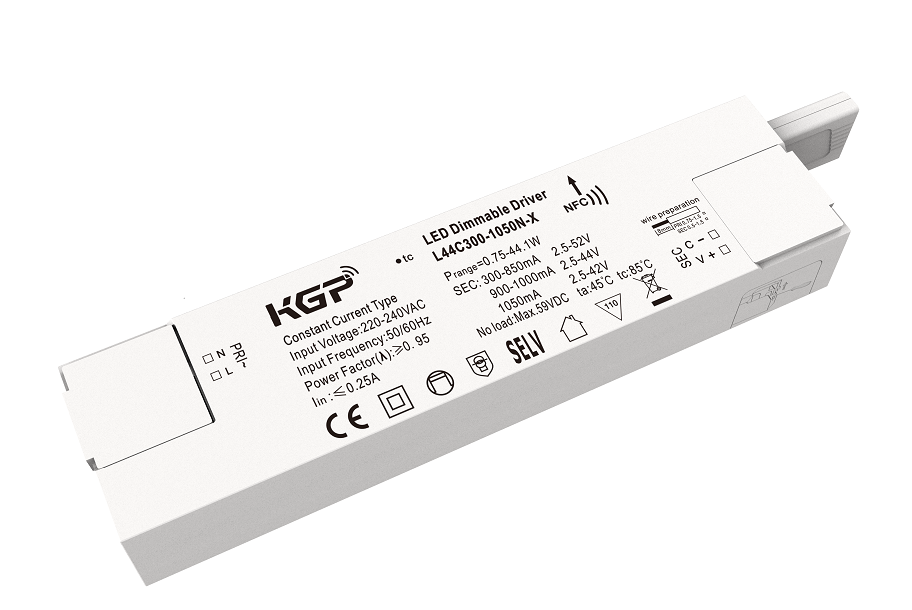
In recent years, the rapid development and widespread adoption of Light Emitting Diode (LED) technology have revolutionized the lighting industry. As energy efficiency and environmental concerns continue to gain prominence, LEDs have emerged as a popular choice for residential, commercial, and industrial applications due to their long lifespan, low energy consumption, and versatility. However, to harness the full potential of LED lighting, it is crucial to understand the role of LED drivers, which are essential components that regulate and control the electrical current supplied to LEDs.
An LED driver is an electronic device that converts input power into a suitable power format for driving LEDs. It functions similarly to a ballast in fluorescent lamps but is specifically designed to work with LEDs. The primary purpose of an LED driver is to ensure that the LEDs receive the correct amount of voltage and current necessary for optimal performance and longevity. This is particularly important because LEDs are highly sensitive to voltage fluctuations, and even minor changes can lead to reduced light output or damage to the LED itself.
The importance of LED drivers in modern lighting solutions cannot be overstated. Firstly, they provide constant current regulation, ensuring that the LEDs maintain consistent brightness regardless of variations in input voltage or temperature. Secondly, LED drivers can protect against electrical surges and short circuits, thereby extending the lifespan of the entire lighting system. Additionally, some advanced LED drivers incorporate dimming capabilities, allowing users to adjust the brightness according to their needs, which not only enhances user comfort but also contributes to energy savings.
There are several types of LED drivers available on the market, each designed to meet specific requirements. Constant current led drivers are commonly used in applications where precise control over the current is required, such as in high-power LED arrays. On the other hand, constant voltage drivers are ideal for scenarios involving multiple LEDs connected in parallel, where maintaining a consistent voltage across all LEDs is crucial. Moreover, there are also intelligent LED drivers equipped with features like remote control, scheduling, and color tuning, making them suitable for smart lighting systems and creating dynamic lighting environments.
As the demand for energy-efficient and environmentally friendly lighting solutions continues to grow, the role of LED drivers becomes increasingly significant. By optimizing the performance and reliability of LED lighting systems, LED drivers play a vital role in enabling widespread adoption of this advanced technology. Furthermore, advancements in LED driver technology, such as the integration of wireless communication protocols and IoT connectivity, are paving the way for more sophisticated and versatile lighting solutions that can adapt to changing needs and preferences.
In conclusion, LED drivers are indispensable components in modern lighting systems, offering numerous benefits including improved performance, enhanced longevity, and increased flexibility. As the lighting industry evolves towards smarter and more sustainable solutions, the continued development and innovation of LED drivers, such as the Linear LED Driver and Dali Linear LED Driver, will undoubtedly remain at the forefront of technological advancements in this field.